

You are reading an advertisement written and published by The National Vitality Times. The pulse and pressure facts below come from public health agencies; use them as background for a talk with your doctor, since none of it is medical advice.
The Steady Beat guide
Your heart gives you two numbers you can learn to read: your pulse and your blood pressure. Neither one takes long to check, and both are easier to talk about with your doctor when you know what they mean.
This guide walks through what each number measures, how to count your pulse at home, what moves it through an ordinary day, and when a change is worth mentioning to your doctor. It is general information to help you prepare for a conversation with your doctor, not a substitute for one.
Pulse versus pressure
Your pulse, or heart rate, is how many times your heart beats in a minute. Your blood pressure is the force of blood pushing against the walls of your arteries. They are measured in different ways and tell your doctor different things.
Resting pulse
60 to 100
beats per minute
The normal resting range for adults who are sitting or lying down, calm and feeling well. A lower number is common in athletes, and some medicines can lower it too.
Blood pressure
Under 120/80
mm Hg
The normal range for adults. The top number is the pressure while the heart beats. The bottom number is the pressure while the heart rests between beats.
Source: American Heart Association, All About Heart Rate (Pulse) and Understanding Blood Pressure Readings.
High blood pressure usually has no warning signs or symptoms, and many people do not know they have it.
CDC, About High Blood Pressure
The CDC adds that measuring is the only way to know your blood pressure. That is one reason regular checkups matter even when you feel fine. Only your doctor can tell you what your own readings mean.
Count your pulse in one minute
- Sit or lie down and rest quietly for a few minutes.
- Find the artery on the inside of either wrist. Lightly place your index and middle fingers on it.
- Press gently until you feel each beat against your fingers.
- Start the timer and count the beats for a full 60 seconds.
Method: American Heart Association, All About Heart Rate (Pulse).
Find your pulse first, then press start.
A counting aid, not a medical device. If your resting pulse often seems fast, slow or uneven, mention it to your doctor.
A day in rhythm
Your pulse rises and falls through an ordinary day. Here are four moments in it worth knowing about.
-
Morning
Count before the day speeds up
A normal resting heart rate is one taken while you are sitting or lying down, calm and feeling well. Your heart rate may be lower while you sleep, and it may go up a little when you first stand up before settling after a few minutes.
That makes a quiet, seated minute early in the day a good time to count. Write the number down with the date, and after a few weeks you will have a picture to share with your doctor.
If you take a medicine that affects your heart rate, ask your doctor when and how often they would like you to check it.
Use the one-minute counter -
Midday
Why your pulse moves around

Your pulse is not a set number. Common things that can move it include these.
- TemperatureHeat outside, or a rise in body temperature, may raise your heart rate.
- Body positionIt may go up a little when you first stand up, then settle within a few minutes.
- FeelingsStress, anxiety, happiness and sadness can raise it. So can pain.
- MedicinesBeta blockers, calcium channel blockers and several other medicines can slow it.
That is why a single reading says little on its own. Readings taken the same way, at a similar time of day, are easier to compare.
Background reading: American Heart Association, All About Heart Rate (Pulse).
-
Afternoon
Find your exercise zone
Your heart rate rises with the intensity of what you are doing. The heart association estimates maximum heart rate as 220 minus your age, and describes two zones.
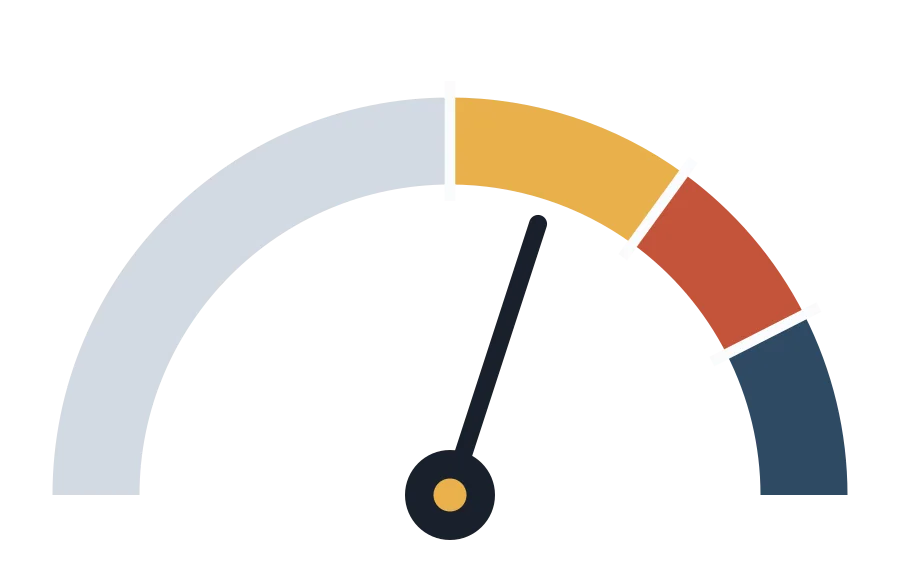
- Moderateabout 50 to 70 percent of maximum
- Vigorousabout 70 to 85 percent of maximum
Target zone from the heart association chart, in beats per minute
- Age 4588 to 149
- Age 5583 to 140
- Age 6578 to 132
- Age 7075 to 128
The figures are averages, so use them as a general guide. If you are just starting out, the heart association suggests aiming for the lower end of the zone and building up gradually.
Some medicines lower your maximum heart rate and target zone. If you have a heart condition or take medication, ask your doctor what your heart rate should be during exercise.
After you finish, your heart rate takes a while to come back to resting. The more often you exercise, the sooner it should return to normal.
Sources: American Heart Association, Target Heart Rates Chart; All About Heart Rate (Pulse).
-
Night
Sleep, and listen for snoring
The American Heart Association counts sleep in Life's Essential 8, its checklist for heart health, and says most adults need 7 to 9 hours a night.
Frequent loud snoring, breathing that pauses and restarts, and gasping for air during sleep can be signs of sleep apnea. Many people only learn about these signs when someone else notices them. The National Heart, Lung, and Blood Institute lists high blood pressure among the conditions sleep apnea can raise the risk for. If a partner mentions any of these, bring it up with your doctor.
Sources: American Heart Association, Life's Essential 8; NHLBI, Sleep Apnea.
When to tell your doctor
Your heart rate is one tool among many. Two levels of response are worth knowing.

Mention it to your doctor
- Your heart rate has been slower or faster than usual for you.
- You have felt weak or dizzy, or like you might faint.
Call 911
If your heart rate is suddenly very high or very low for you, especially with chest pain, shortness of breath, dizziness, fainting or other signs that something is not right.
Background reading: American Heart Association, All About Heart Rate (Pulse).
Keep taking any medicines exactly as your doctor directs, and check with your doctor before changing your routine, your activity or your medicines.
Sources
- American Heart Association. All About Heart Rate (Pulse). Last reviewed 2024.
- American Heart Association. Understanding Blood Pressure Readings.
- CDC. About High Blood Pressure. 2024.
- American Heart Association. Target Heart Rates Chart. Last reviewed 2024.
- American Heart Association. Life's Essential 8.
- National Heart, Lung, and Blood Institute. Sleep Apnea: Symptoms and Living With.